
Air Pollution: A Serious Threat to Public Health
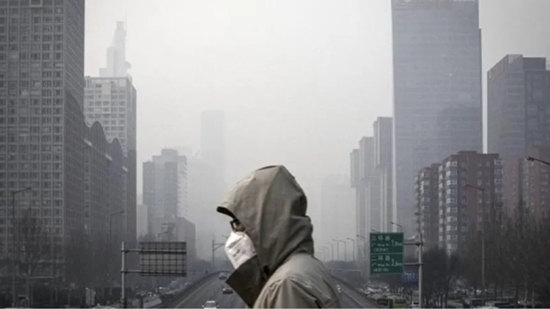
Dr. Saeed Hashemi Nazari, Vice-Chancellor of Health at Shahid Beheshti University of Medical Sciences, emphasized that air pollution is not merely an environmental issue, it poses a severe and far-reaching danger to public health, particularly for those in high‑risk groups. He stated that the following recommendations are essential to reducing respiratory harm and protecting vulnerable populations during days of high pollution.
Rising Respiratory Disorders
Dr. Hashemi Nazari declared that the increasing prevalence of respiratory illnesses such as bronchitis and asthma is directly rooted in air pollution. He stressed that this condition is especially harmful to vulnerable groups, including children, the elderly, and pregnant women. He noted that raising awareness and providing accurate information are critical steps in facing this urgent challenge.
Monitoring Air Quality
Dr. Hashemi Nazari advised the public to check daily air pollution forecasts in their area. He explained that color‑coded forecasts indicate when the air is unhealthy, and reliable sources include local radio and TV weather reports, newspapers, and the official Air Quality Index of Tehran Province: https://air.tehran.ir. He added that mobile apps can also provide relatively accurate information.
Vulnerable Populations
Dr. Hashemi Nazari identified vulnerable groups as children, pregnant women, older adults, and individuals with pre‑existing heart and lung disease.
Staying Indoors
He urged that during high‑pollution episodes, everyone, especially children and the elderly, should remain indoors as much as possible and avoid roads with heavy traffic. He recommended keeping doors and windows closed to reduce the penetration of outdoor pollutants. He noted that air conditioners and air purifiers can help remove particulate matter indoors, though they are costly and should be purchased with care.
Maintaining a Clean Indoor Environment
He explained that air pollution irritates the respiratory system and often causes coughing, which can be alleviated by drinking sufficient water and non‑caffeinated beverages to keep the mouth and throat moist. He recommended using humidifiers to regulate indoor humidity and warned that smoking and heating devices such as fireplaces worsen indoor air quality.
Limiting Outdoor Physical Activity
He advised that physical activities on polluted days should be carried out indoors in facilities equipped with proper air conditioning systems. He cautioned against intense, prolonged activities such as cycling and running, which increase heart rate and breathing frequency, thereby raising exposure to pollutants.
Avoiding Additional Pollution
Dr. Hashemi Nazari encouraged the use of public transportation such as buses, subways, and commuter trains instead of private cars. He strongly warned against burning wood or trash, noting that these are major sources of particle pollution. He also prohibited activities such as spray painting or construction work that release dust and pollutants into the air.
Managing Energy Consumption
He explained that high domestic energy consumption, especially during cold seasons, forces factories and industries to rely on lower‑quality fuels to maintain production. He emphasized that reducing household energy use can help limit industrial reliance on such fuels. He recommended energy‑efficient light bulbs, smart thermostats, setting home temperatures to 20°C, wearing season‑appropriate clothing, proper insulation, and standardized heating systems as effective measures.
Protecting High‑Risk Groups
Dr. Hashemi stressed the importance of monitoring the health of elderly individuals and others in high‑risk groups during polluted days. He warned that poor air quality intensifies symptoms and triggers relapses of heart and lung diseases. He urged families and communities to check on elderly relatives, friends, and neighbors with respiratory or cardiac conditions, and highlighted the necessity of ensuring that asthma patients have access to their inhalers.
Comment